Master of Arts (MA) in International Journalism Studies
MESSAGE FROM THE DIRECTORS
It is an exciting and challenging time to be a journalist. Over the last three decades, we have seen unparalleled change in the news industry as digital technologies have fundamentally transformed the way journalists work while driving innovation in newsgathering, storytelling and business models. Now, as we witness AI disrupt nearly every facet of our lives, journalists are more important than ever in sifting through the explosion of content, finding patterns and establishing truth.
Journalism is critical to our human survival. It impacts lives, informs decisions, affects change, provides meaning, builds connections and reflects our society’s values, ambitions, failures and successes so that we may celebrate, learn and do better. And while I acknowledge that there have been recent setbacks for journalists around the globe, there have also been equally as many steps forward. I am optimistic that you, as a part of a new generation of trained journalists, will be equipped to face the demands of the future and find ways to forge ahead as you stand on the shoulders of giants.
If you are a young journalist just starting out or a mid-career professional looking to change industries or acquire new skills, our MAIJS programme is designed to help you achieve your goals. We have crafted our curriculum to immerse you in a wide range of subjects that will provide you with fundamental reporting experience and technology skills, expose you to ideas that foster critical, analytical and creative thinking, give you the space to reflect on your own learning and assist you in identifying and harnessing industry trends.
Our MAIJS programme has two tracks: international journalism and business and financial journalism. In both, you will report Hong Kong stories in English across platforms using text, images, audio and video. You can also take classes in subjects such as international news, international relations, media ethics and law, China reporting, food and culture reporting, longform journalism, social media reporting, broadcast journalism, photojournalism, communication research, news translation and more.
Why Hong Kong? A hub for international finance and media, Hong Kong is extremely well suited for international journalism students and will provide you with a unique perspective on how both international and local journalists cover Greater China, Asia and the world. It is a dynamic and diverse city, and there are thousands of stories in Hong Kong just waiting to be told on everything from environment, society and politics to art, food and culture.
Our MAIJS students and faculty come from all corners of the globe, and while our curriculum is in English and designed to prepare you for work in international media, many of our graduates have transferred their skills to major local and mainland Chinese media. I regularly see MAIJS graduates' work in companies such as AFP, Bloomberg, TIME, South China Morning Post, Reuters, IFR Asia, HKIBC, The Standard, Ming Pao, TVB, HK01 and the Hong Kong Economic Journal to name just a few as well as in mainland Chinese media including China Daily, Jiemian News, The Paper, Tencent News, Shanghai Media Group, Xinhua, Phoenix TV and Caixin. I am proud to say that our graduates’ names also frequently appear on the lists of prestigious journalism awards, including the SOPA Awards and the Hong Kong News Awards.
Some of our graduates choose to apply their versatile language, journalism and communication skills to other industries, such as law, public relations, marketing and finance or go on to further studies in a variety of communication-related research programmes. A grounding in international journalism will prepare you for a wide variety of fields.
Whether you travel the world covering war and conflict, stay close to home telling stories in your community, report on global financial and economic systems or choose to utilize your expertise in a different area, the journalism training you will receive at HKBU will be essential to your career. Yes, there will be challenges. If you become a journalist, you probably aren’t going to make the list of the world’s richest people, but you will be building a rewarding and exciting career that helps people understand each other, informs them about important issues and contributes to the creation of a better world.
I look forward to welcoming you to Hong Kong Baptist University and the MAIJS programme.

Robin Ewing
Programme Director
ABOUT THIS PROGRAMME
Hong Kong Baptist University has taught International Journalism for more than a decade as a branch of its Journalism degree, which started in 1968 as the founding programme of what is now the School of Communication. The MA in International Journalism Studies Programme was founded in 2007 and aims to provide professional postgraduate studies in international journalism with a particular emphasis on Hong Kong, Mainland China and East/Southeast Asia. The programme has two concentrations: International Journalism and Business and Financial Journalism.
The BUSINESS AND FINANCIAL JOURNALISM concentration aims to accommodate students with or without previous experience working in or studying business and economics. Students not only learn how companies and markets function, but are also taught the skills of writing and reporting business and financial news for daily newspapers, business journals and financial websites.
The INTERNATIONAL JOURNALISM concentration aims to cultivate journalism professionals with an in-depth understanding of international politics, economy and culture and equip them with the necessary skills to operate in English in covering international news.
CURRICULUM DESIGN
BUSINESS AND FINANCIAL JOURNALISM CONCENTRATION
INTERNATIONAL JOURNALISM CONCENTRATION
All students are required to complete a total of 27 units for the award of an MA degree. Each unit-bearing Course counts as 3 units. A 3-unit Course involves 45 hours of teaching. The 27 units consist of 15 units of unit-bearing Core Courses and 12 Elective units.

COURSE STRUCTURE
For International Journalism
| I) | Required Courses | 15 units |
| II) | Elective Courses | 12 units |
| 27 units |
For Business and Financial Journalism
| I) | Required Courses | 15 units |
| II) | Elective Courses | 12 units |
| 27 units |
I. REQUIRED COURSES
For International Journalism
| JOUR7010 International Relations Theory and Practice* | 3 units |
| Or | |
| JOUR7020 Comparative and International News* | 3 units |
| JOUR7040 Multimedia Journalism | 3 units |
| JOUR7060 News and Feature Writing for International Practice | 3 units |
| JOUR7100 Advanced News & Feature Writing for International Practice | 3 units |
| JOUR7290 Media Law and Ethics for International Journalism | 3 units |
For Business and Financial Journalism
| JOUR7040 Multimedia Journalism | 3 units |
| JOUR7150 Business News Reporting & Writing | 3 units |
| JOUR7160 Economic Data, Policy & Markets for Journalists | 3 units |
| JOUR7170 Business & Financial Analysis for Journalists | 3 units |
| JOUR7180 Advanced Business News Reporting & Writing | 3 units |
II. ELECTIVE COURSES
Remarks: Not all elective courses will be offered in any single academic year, and will be offered based on instructor and facility availability. Course enrolment is limited by quotas.
| Elective Courses | 9–12 units |
| JOUR7010* International Relations Theory and Practice | 3 units |
| JOUR7020* Comparative and International News | 3 units |
| JOUR7030 Research Methods in Media and Communication | 3 units |
| JOUR7070 Theories of Journalism and Communication | 3 units |
| JOUR7080 Current Issues and Case Studies in International News | 3 units |
| JOUR7090 International News Translation | 3 units |
| JOUR7110 Reporting International Conflict | 3 units |
| JOUR7120 International Business and Financial Reporting (for IJ students only) | 3 units |
| JOUR7130 Project or Dissertation | 3 units |
| JOUR7140 Globalisation, Economics and Finance | 3 units |
| JOUR7150 Business News Writing (for IJ students only) | 3 units |
| JOUR7160 Principles of Economics (for IJ students only) | 3 units |
| JOUR7170 Business and Finance (for IJ students only) | 3 units |
| JOUR7180 Advanced Business News Writing and Production (for IJ students only) | 3 units |
| JOUR7210 Longform Journalism | 3 units |
| JOUR7220 Photojournalism# | 3 units |
| JOUR7230 Broadcast Journalism# | 3 units |
| JOUR7240 Online and Digital Journalism# | 3 units |
| JOUR7250 Reporting Greater China | 3 units |
| JOUR7260 Reporting Southeast Asia | 3 units |
| JOUR7270 The Journalism Business | 3 units |
| JOUR7280 Big Data Analytics for Media and Communication | 3 units |
| JOUR7300 Approaches and Methods in Communication Research | 3 units |
| JOUR7310 Advanced Quantitative Communication Research Methods | 3 units |
| JOUR7320 Communication Research Thesis | 3 units |
| JOUR7330 Food and Culture Reporting (for IJ students only) | 3 units |
| JOUR7340 International News in a Globalized World | 3 units |
| JOUR7350 Media and Communication in Greater China | 3 units |
| JOUR7360 Generative AI Assisted Reporting | 3 units |
| JOUR7370 Mental Health and Journalism | 3 units |
| JOUR7380 Reporting Web3 & Digital Assets | 3 units |
| JOUR7390 Reporting Gender Issues | 3 units |
| JOUR7400 AI Imaginaries and Communication Research | 3 units |
* International Journalism concentration students are required to take either “JOUR7010 International Relations Theory and Practice” or “JOUR7020 Comparative & International News” as their core course. The course not chosen as A Core course can be taken as AN Elective.
# Students can only choose from one of these 3 skills courses
II. ELECTIVE FROM OTHER PROGRAMMES
(limited quota offered by other Programmes - whether to offer quota and the number of quota would be decided by the Programmes offering the courses)
Students can at most take ONE elective from courses below
| ACCT7770 Corporate Accounting | 3 units |
| ACCT7780 Corporate Law and Compliance | 3 units |
| ACCT7820 Taxation | 3 units |
| ACCT7830 Risk, Compliance and Corporate Social Responsibility | 3 units |
| COMM7010 Foundations of Communication Study | 3 units |
| COMM7040 Issues in Intercultural Communication | 3 units |
| COMM7050 Media and Communication in Chinese Societies | 3 units |
| COMM7060 Issues in Corporate Communication | 3 units |
| COMM7160 Organizational Communication | 3 units |
| COMM7170 Communication Campaign Workshop | 3 units |
| COMM7180 Media Law and Ethics | 3 units |
| COMM7190 Issues and Cases in Mass Communication | 3 units |
| COMM7200 New Media Workshop | 3 units |
| COMM7220 Advertising Management | 3 units |
| COMM7230 Writing for Multimedia in Public Relations | 3 units |
| COMM7240 Media Markets | 3 units |
| COMM7250 Strategic Public Relations and Crisis Management | 3 units |
| COMM7300 Consumer Insights | 3 units |
| COMM7310 International Advertising | 3 units |
| COMM7320 AI Imaginaries and Communication Research | 3 units |
| COMM7510 Public Administration and the Media | 3 units |
| COMM7550 Advertising in China | 3 units |
| COMM7560 Political Communication and Public Opinion | 3 units |
| COMM7790 Communication and Technology | 3 units |
| COMM7800 New Media Design and Communication | 3 units |
| COMM7860 Communicating Data | 3 units |
-
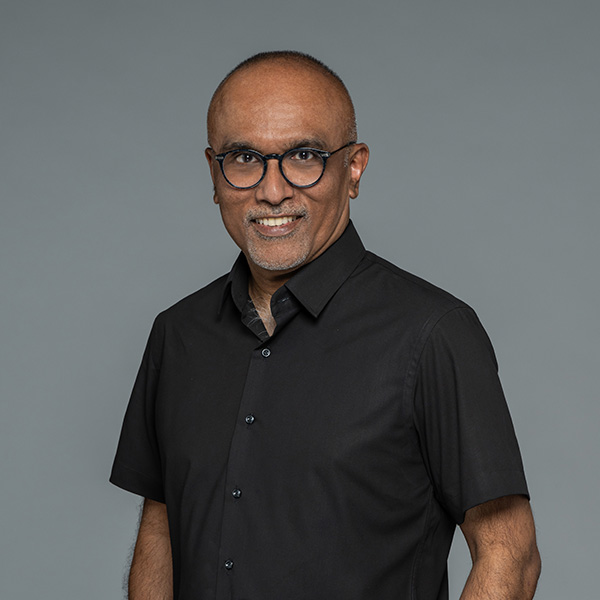
Prof. WEI, Ran
Associate Dean (Research and Development) and Chair Professor, School of Communication
-
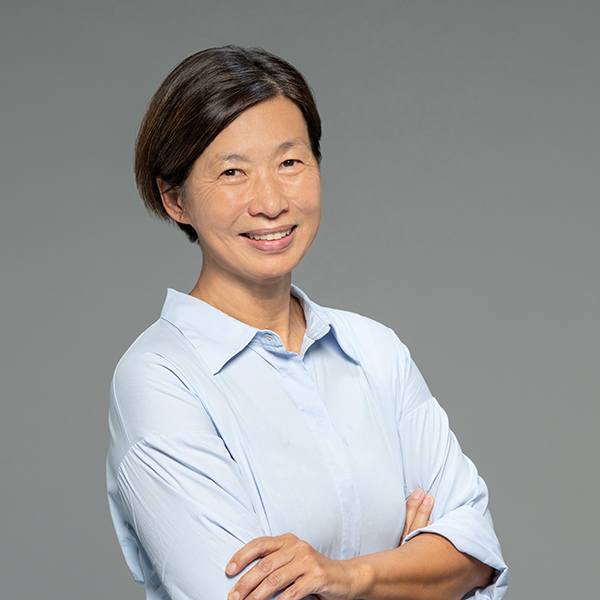
Prof. FENG, Charles G. C.
Associate Dean (Postgraduate Studies) and Professor, Department of Interactive Media
-

Mr. CHEUNG Hin Yu Jimmy
Part-time Lecturer
-
Ms. CAO, Li
Part-time Lecturer
-
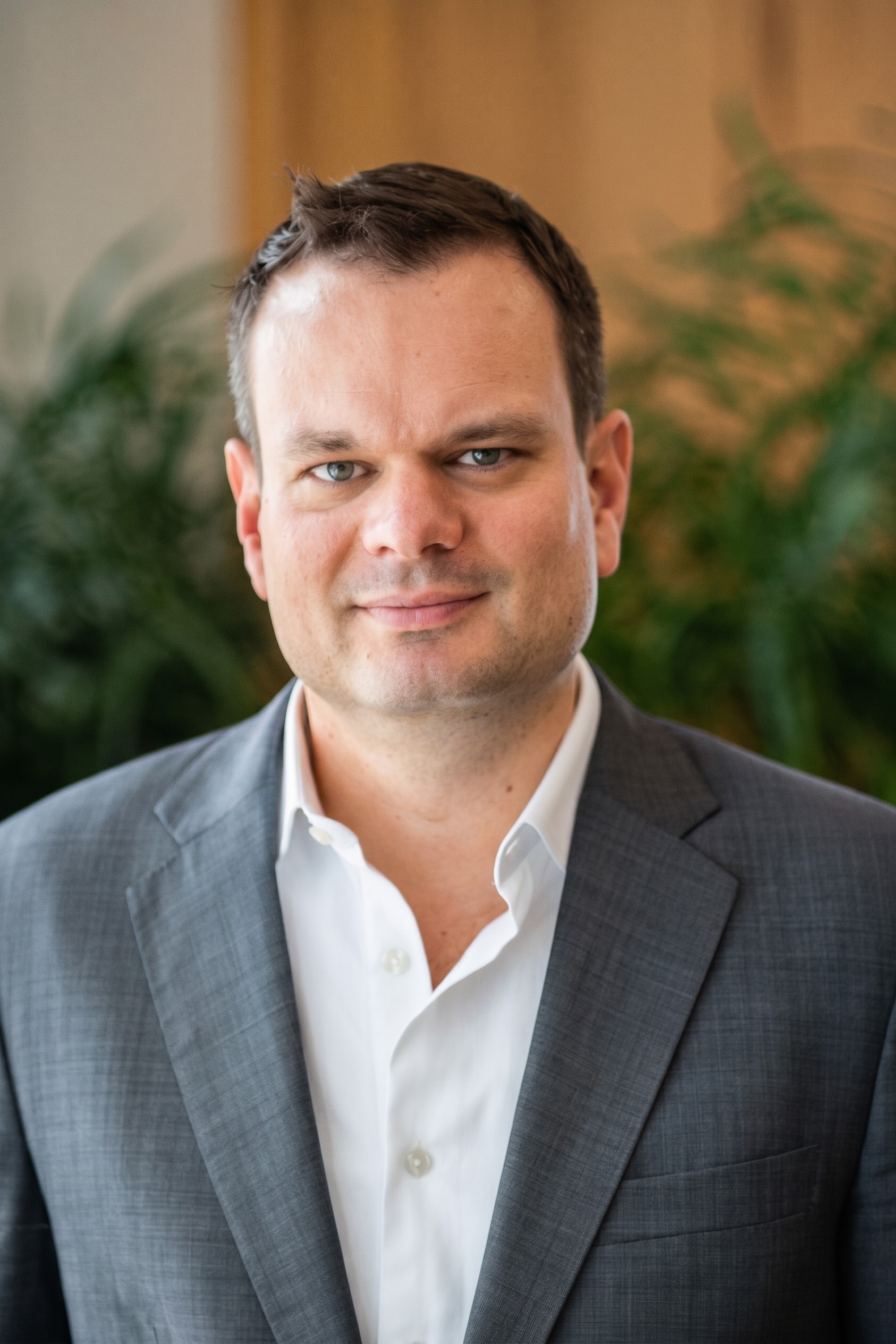
Mr. CHANEY, Joseph
Part-time Lecturer
-
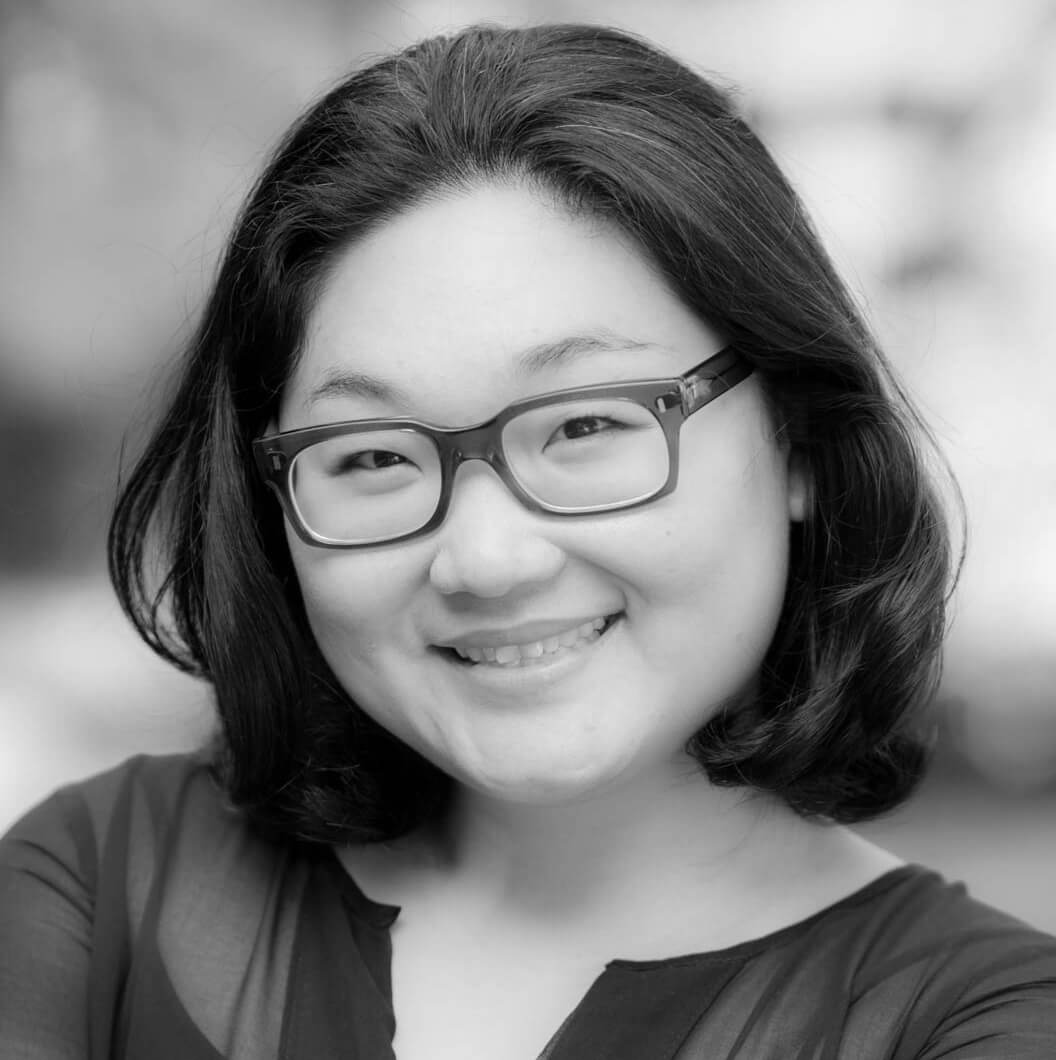
Ms. CHOI, Christy
Part-time Lecturer
-

Ms. DAVIS, Morgan
Part-time Lecturer
-
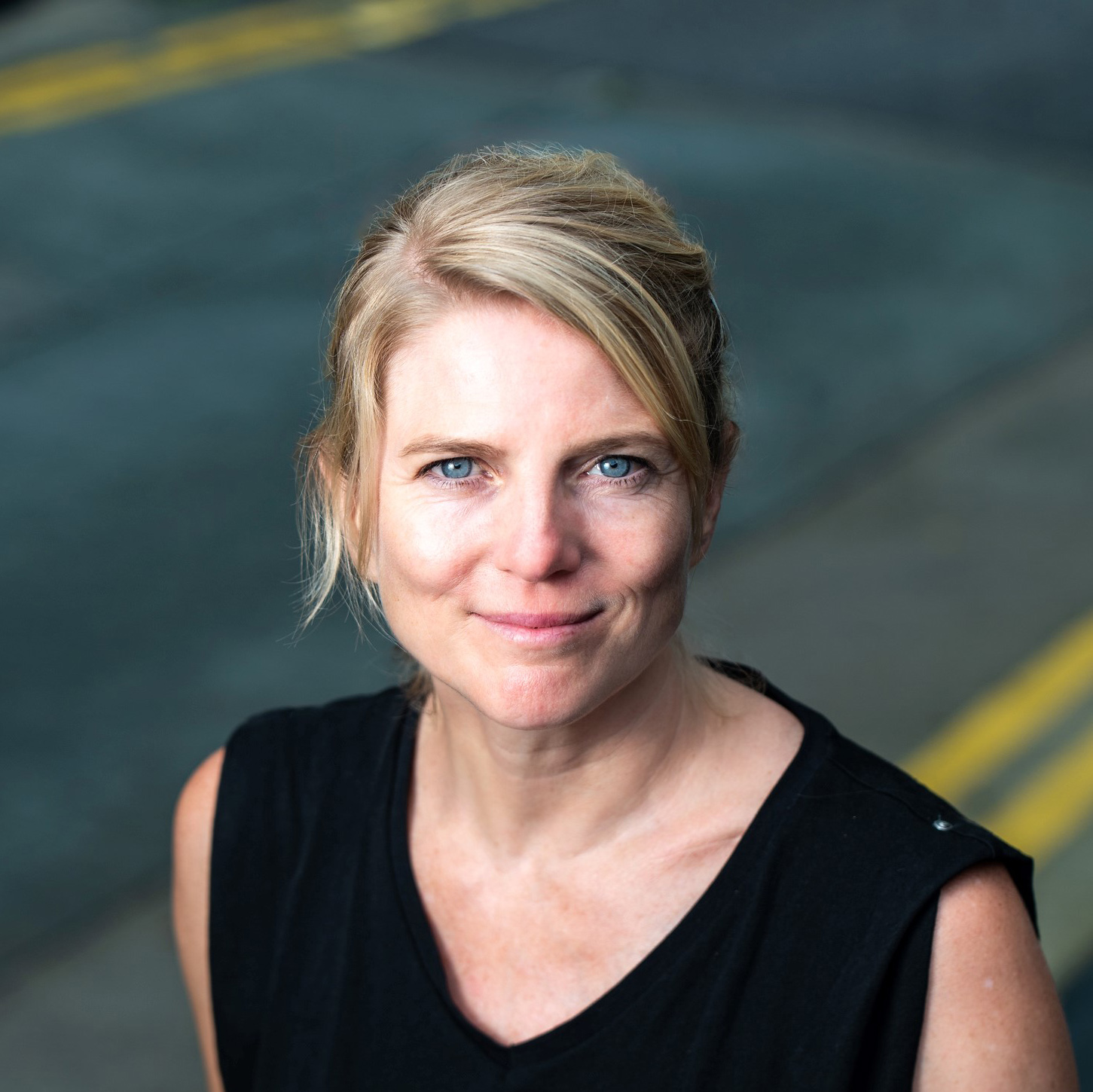
Ms. HINTERSEER, Claudia
Part-time Lecturer
-

Mr. JENNINGS, Ralph
Part-time Lecturer
-
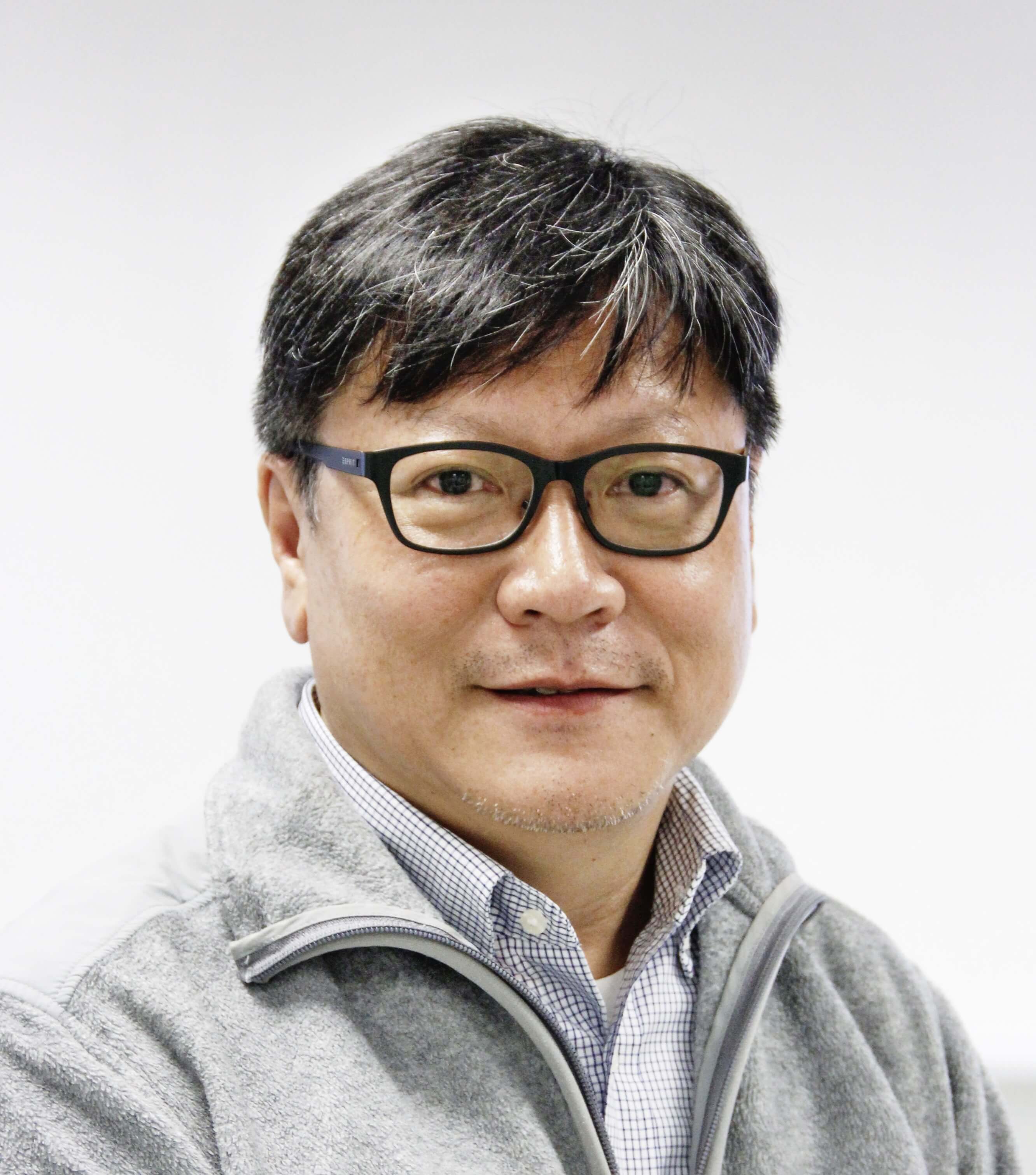
Mr. KWOK, Donny
Part-time Lecturer
-
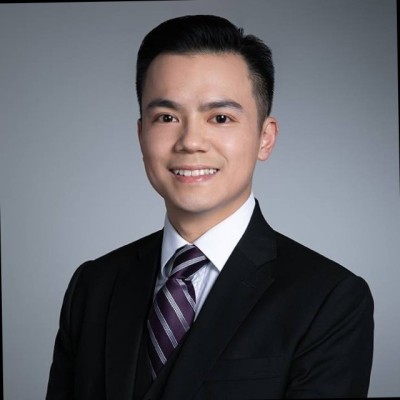
Mr. LAU, Andrew
Part-time Lecturer
-

Mr. LAU, C K
Part-time Lecturer
-
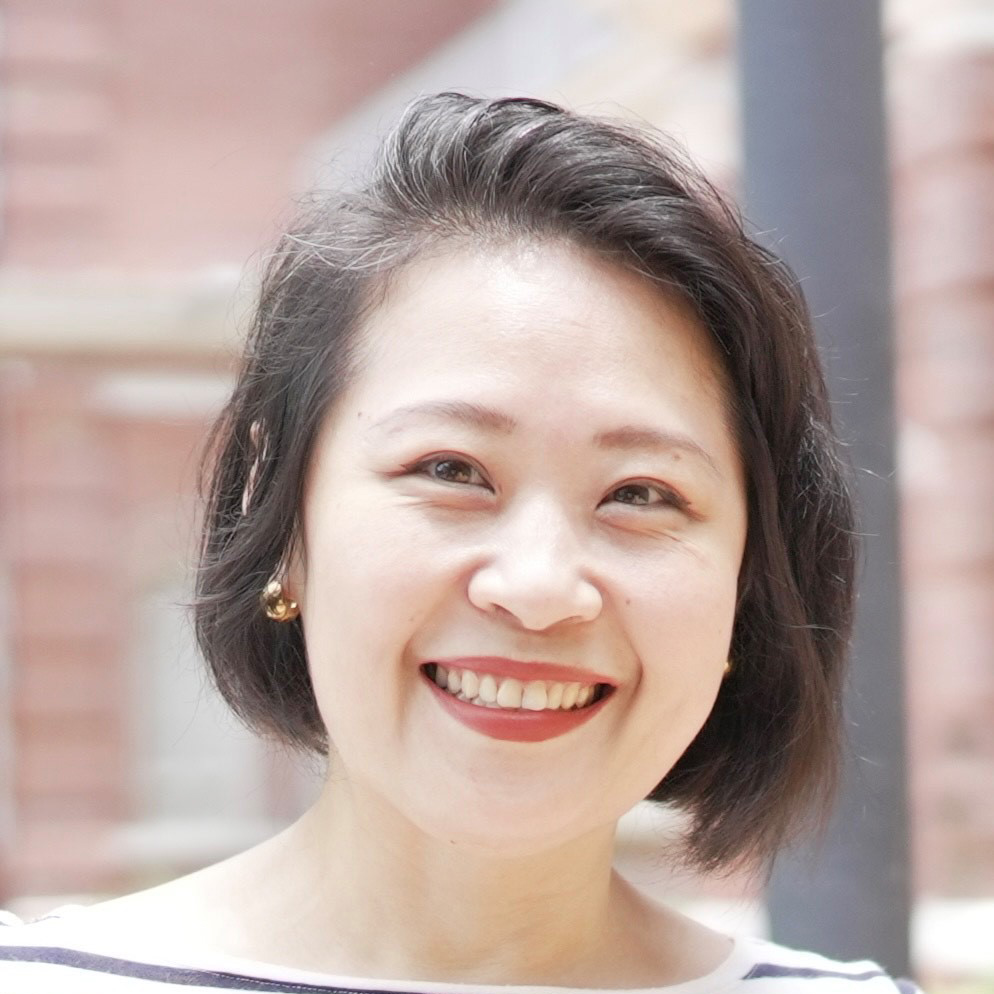
Ms. LAU, Mei Sin Mimi
Part-time Lecturer
-
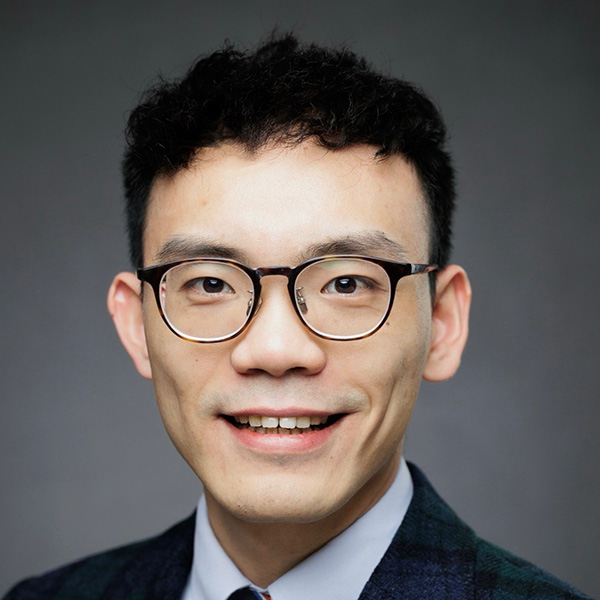
Dr. MO, Vincent
Part-time Lecturer
-
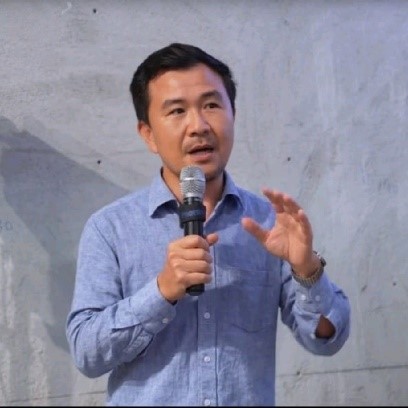
Mr. PAN, Joe
Part-time Lecturer
-
Ms. PANTIN, Christina
Part-time Lecturer
-

Ms. SIU, Teressa Hao
Part-time Lecturer
-
Mr. SUEN, Leon S K
Part-time Lecturer



ADMISSION REQUIREMENTS
The Programme will be of interest to the following students: Bachelor’s degree holders who are employed in media organizations or in the communication functions of the public or private sector, or who aspire to such positions, and who see the in-depth understanding of media industries and management as contributory to executive leadership in their career and in the society.
APPLICANTS SHOULD
- Hold a Bachelor’s Degree from a recognized university or institution; AND
- Be able to communicate in English at an advanced level, possessing one or more of the following qualifications if they did not study in an English-speaking institution:
- A minimum score of 79 in TOEFL
- A minimum score of 6.5 in IELTS
We adopt a rolling admission policy and open a window for application from mid-November to end- June (usually having First Round November – January; Second Round February – June). It may be to your advantage to apply as early as possible, as the window may close earlier when all spots are filled.
* If the English score submitted did not meet the minimum English requirement (i.e. TOEFL 79 or IELTS 6.5), the application will not be processed/reviewed until an updated English result which meets the minimum requirement is submitted.
If short-listed, applicants may be interviewed by the School of Communication
TUITION FEE
| Amount | |
|---|---|
| per year for one-year full time student | HK$180,000 |
| per year for two-year part time student (local Hong Kong students only) | HK$90,000 |
FAQ
Merit-based scholarships will be awarded to students with outstanding academic performance in the first semester.
The student halls are not available to post-graduate students, but there is a private on-campus dorm called the NTT International House that some students like to stay in. Most students find private housing off campus.
Hong Kong is a dynamic, international 24-hour city that is full of people, cultural events and food from all over the world. Cantonese is the main language but English is also widely used. Hong Kong is one of the safest cities in the world, is an excellent travel hub for exploring the rest of Asia and has a large variety of outdoor activities and tourist attractions. People love living in the city for its vibrancy and endless list of things to do.
No. We recommend dissertations only for students interested in pursuing further studies.
Students can work on campus up to 20 hours per week and are allowed to have short-term internships while studying. Students may also work in the summer and the Hong Kong government allows students to spend one year working in Hong Kong after graduation without a work visa. See government regulations here.
Yes. We have committed a substantial subsidy for all students of the progamme to enjoy the same privileges and services as those of UGC-funded programmes at the University Health Clinic.